
What to know
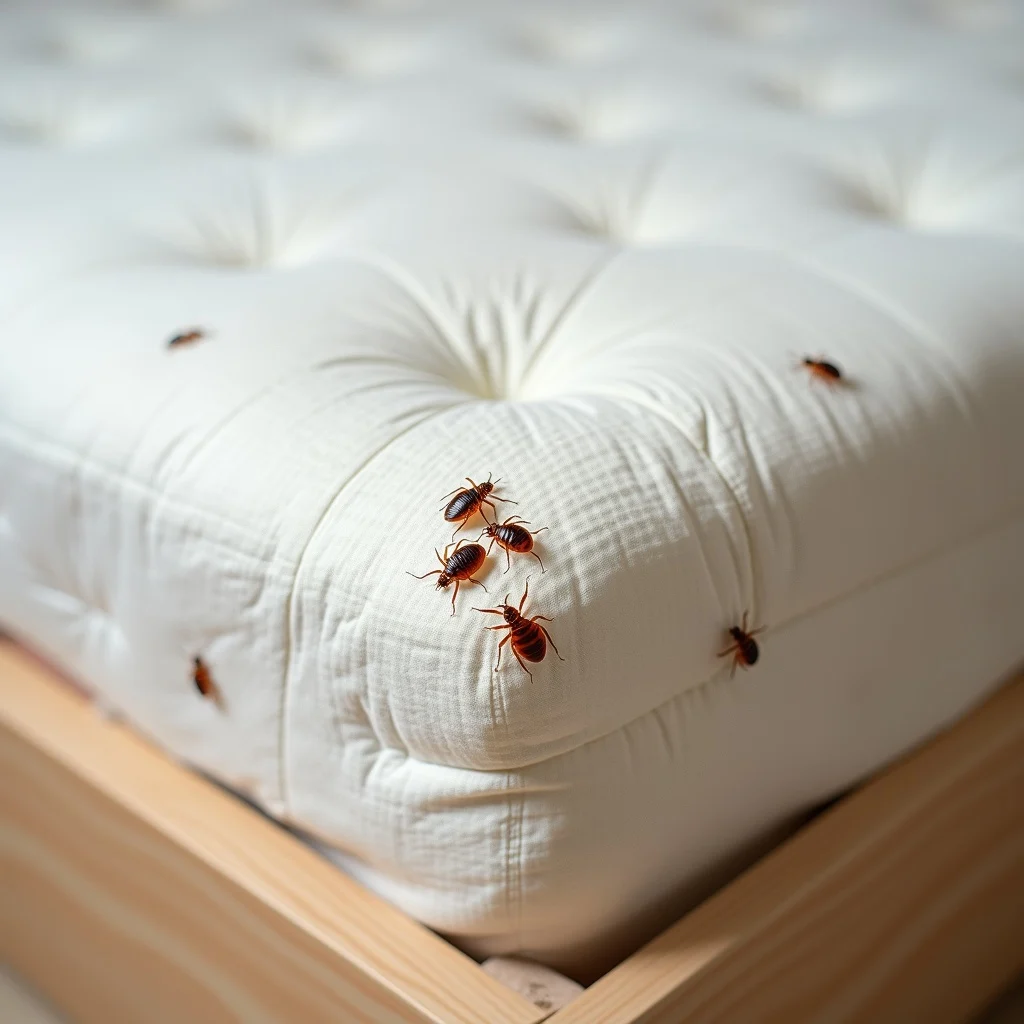
Finding a single bed bug usually means there is hidden activity nearby. Bed bugs hide in mattress seams, bed frames, and surrounding furniture during the day and emerge at night to feed. One visible bug does not tell you how many are hidden or how far they have spread — Malaysian research by Universiti Sains Malaysia on tropical bed bug (Cimex hemipterus) infestations across Peninsular Malaysia found active infestation in 38 of the 181 sites surveyed, so infestation levels differ widely between properties and are established by inspection rather than by counting sightings. A professional inspection is the next recommended step. What a single specimen does establish is worth stating plainly. It confirms the species, which removes any doubt about what you are dealing with. It also narrows the search: the bug was found in a specific place at a specific time, and the areas around that place are where an infestation concentrates.
The mistake people make with a single bug is treating the finding as the whole problem, and cleaning up after it in a way that spreads it. Moving bedding and clothing out of the room is the usual reflex, and it is exactly how a problem confined to one bedroom becomes a problem across a home. The first day is mostly about containment and evidence, not about action.
What one bug confirms
The species. A live specimen in the seam, on the frame, on the wall or on a fitting is positive identification, and there is no second stage of doubt about it.
What one bug does not tell you
How many are hidden, how far they have spread, which room they came from, or whether the rest of the property is clear. One sighting is a single data point, not a count.
Where it usually came from
Most often second-hand furniture, luggage brought back from a trip, or an adjoining unit in a condominium. The route matters, because it decides where the treatment scope starts and ends.
What to do in the first day
Keep the specimen, keep the room as it is, move nothing out of it, and get the room mapped before anything is treated or cleaned.
Practical action plan
- Keep the insect and the exact spot where you found it — a clear photo helps the technician identify the species and life stage.
- Inspect the mattress seams, the headboard and bed frame joints, and the cracks and crevices along baseboards, skirting boards and floor edges.
- Do not move bedding, clothing or furniture out of an affected room into a clean one, and keep luggage away from sleeping areas until the inspection is done.
- Wash bedding on a hot cycle and dry it thoroughly, vacuum mattress seams, bed frames and edges regularly, and fit bed bug-proof encasements on the mattress and the base of the bed frame.
- Book a professional inspection so treatment can be scoped to the rooms that are actually affected rather than the whole property.
Why one bug means hidden activity
A single sighting is not a low count. It is one insect that happened to be where you were looking.
- Bed bugs are nocturnal and they hide in seams, joints and crevices by day, so the ones you can see are the small fraction that was out in the open.
- They multiply from a single fertilised female, which is why an early sighting is the point at which a case is cheapest to deal with.
- They spread along walls, along services and through the frame, so the room next door and the room below are both worth checking rather than assuming they are clear.
- The species is confirmed but the count is not. That is why the spread has to be established by mapping the rooms rather than by counting sightings.
- Malaysian survey work on tropical bed bug found active infestation in 38 of 181 sites surveyed across Peninsular Malaysia, which shows how much infestation levels vary between properties and why the same approach cannot be applied to every home.
- Some findings turn out to be a look-alike. An identification confirmed on site removes that doubt, and it is the reason a specimen is worth keeping.
The first day, in the right order
What you do before the inspection decides how much the technician can work from.
- Keep the specimen in a sealed container, or tape it inside a clear bag, and note exactly where and when it was found.
- Photograph the spot — the seam, the frame joint, the wall — with the location visible, so the technician knows where to look first.
- Do not move bedding, clothing, soft furnishings or luggage out of the room. This is the single most common way a one-room problem becomes a whole-home problem.
- Do not move items in from other rooms either. A second-hand chair or mattress brought into the affected room can carry the infestation into a new area.
- Wash bedding and clothing on a hot cycle and dry it fully, and keep them sealed. Keep cleaning the mattress seams and frame edges, because that reduces the number of insects the technician finds and the work needed afterwards.
- Tell us if anyone in the household travels for work, or has recently stayed in a hotel or serviced apartment. Luggage is the most common route of introduction and it changes where the inspection needs to start.
What not to do
Most of the mistakes that turn a manageable case into an expensive one are made in the first week.
- Do not spray the bed or the room on your own before the inspection. It scatters the insects into other parts of the room and removes the evidence that shows where they were.
- Do not throw out the mattress straight away. It is the main harbourage, and knowing what is inside it decides the treatment method.
- Do not move items between rooms, and do not move furniture into a sealed room. Both spread the infestation.
- Do not assume the neighbouring rooms are clear because you have not looked in them yet. That is what the inspection is for.
- Do not apply repellent oils, vinegar or mothballs as a substitute for treatment. They do not reach the harbourage, and they mask the scent that would have told you the problem was there.
- Do not delay the inspection while trying to fix it yourself. Every extra week is another cycle of breeding that has to be dealt with later.
When it should be treated as urgent
Some findings carry a different weight, and the response should reflect that.
- A live insect found in more than one room means the case has already spread, and the scope needs to cover those rooms rather than just the bed.
- Bites appearing on several people, or new bite marks appearing over consecutive nights, indicate ongoing feeding rather than an old problem.
- A specimen found on luggage, in a hotel room, or in a shared service area suggests a recent introduction from outside, which is more urgent because the route is still active.
- Dark faecal spotting and cast skins in several rooms point to an established infestation, where the follow-up visit and encasement step become part of the plan rather than an optional extra.
- If anyone in the household has a skin condition or reacts strongly to bites, that is worth raising at the inspection, because broken skin changes both the risk and the evidence.
- In a condominium, a confirmed case in one unit should be checked against the adjoining units and the refuse area early, because the shared routes are usually where the infestation lives.
Related articles
Frequently asked questions
I found one bed bug — how many more are there?
That is the question the inspection answers, because a sighting cannot. Bed bugs hide in mattress seams and frame joints by day and come out at night, so the one you see is the small fraction that was in the open. Malaysian survey work on tropical bed bug found active infestation in 38 of 181 sites surveyed across Peninsular Malaysia, which shows how widely infestation levels differ between properties.
Is one bed bug a serious problem?
It is serious in the sense that it is worth acting on quickly, not because one insect is a large infestation. Bed bugs multiply from a single female, so an early sighting is the cheapest point to deal with it. The practical next step is to keep the specimen, keep the room as it is, and get the spread mapped.
Should I move my bedding to another room?
No. Moving bedding, clothing or furniture out of an affected room into a clean one is the most common way a problem confined to one bedroom becomes a problem across a whole home. Keep everything in place, wash bedding on a hot cycle, and keep luggage away from sleeping areas until the inspection is done.
Should I throw away the mattress?
Not before the inspection. The mattress is usually the main harbourage, and knowing what is living inside it decides the treatment method — whether it can be treated in place or whether it has to be encased, or replaced. Deciding it early, without evidence, also costs more than it needs to.
Can one bed bug spread to other rooms?
It can, and that is the main reason the neighbouring rooms are mapped. Bed bugs travel along walls, along service runs and through the bed frame, and they move on luggage, clothing and bedding. Keeping everything in the room and having the adjacent rooms checked is what stops a one-room problem spreading.
Can I spray the bed myself before the inspection?
Better not to. Spraying before the inspection scatters the insects into other parts of the room and removes the evidence of where they were, which makes the technician's job harder and the scope less accurate. Vacuuming the seams and frame edges is fine; applying product is not, until the case has been mapped.
Where did it come from?
Most often second-hand furniture or bedding, luggage brought back from a trip, or an adjoining unit in a condominium. The route matters, because it decides where the treatment scope starts. Mention any recent travel, hotel stay or new furniture purchase when the inspection happens — that is often the missing piece.
How soon should I book the inspection?
As soon as you have the specimen confirmed. Every extra week is another breeding cycle to deal with, and once the insects have spread into adjoining rooms the scope, the cost and the length of the programme all change. Keeping the room contained until the inspection is the only thing that needs to happen in the meantime.
Need a site-specific answer?
The right solution depends on your property type, infestation pattern, and location. Uni Smart Pest Control can recommend a practical treatment route.