What we handle
Integrated pest management for residential and commercial sites
Every treatment starts with inspection, pest identification, and a plan that balances effectiveness with safety for your family, staff, and operations.
Inspection first
We map activity zones, nesting pressure, and entry points before treatment starts.
Smart treatment
Spot treatment and baiting reduce unnecessary chemical load while improving control quality.
Follow-up logic
We schedule follow-up based on infestation type, not guesswork.
Compliance ready
Structured documentation supports restaurants, offices, and managed buildings.
What pest control actually covers in a Malaysian property
Pest control is the management of insects and rodents living in and around a property, not the one-off spraying of a visible insect. In a Malaysian home or workplace the work usually falls into four parts: identifying what is present, treating the harbourage where it lives, removing the conditions that attract it, and checking that the problem does not return. That distinction matters because most repeat infestations are not treatment failures. They are the same untreated route, the same open food source, or the same damp area being left in place.
- Identification before treatment — the species, where it nests, and how it moves inside the building
- Targeted treatment of the harbourage rather than a broad spray across every surface
- Source removal, which is the part a property owner can keep up between visits
- Follow-up checks timed to the life cycle of the pest rather than to a fixed calendar
Pests found in Malaysian homes and workplaces
The pests behind most calls in Kuala Lumpur, Selangor and Putrajaya are not exotic. They are the ones that travel with food, water and warm sheltered voids: American cockroaches in wet ground-floor spaces, German cockroaches in warm kitchens, house mice and roof rats in ceiling voids, ants following every unsealed food source, and termites working through anything that touches soil. A smaller group arrives with building work or stored goods. Wood-boring insects and stored-product pests turn up when a property is renovated, or when materials sit in a warehouse before use.
- Cockroaches — German and American species, driven by heat, moisture and accessible food
- Rodents — roof rats travelling through ceiling voids and house mice working at ground level
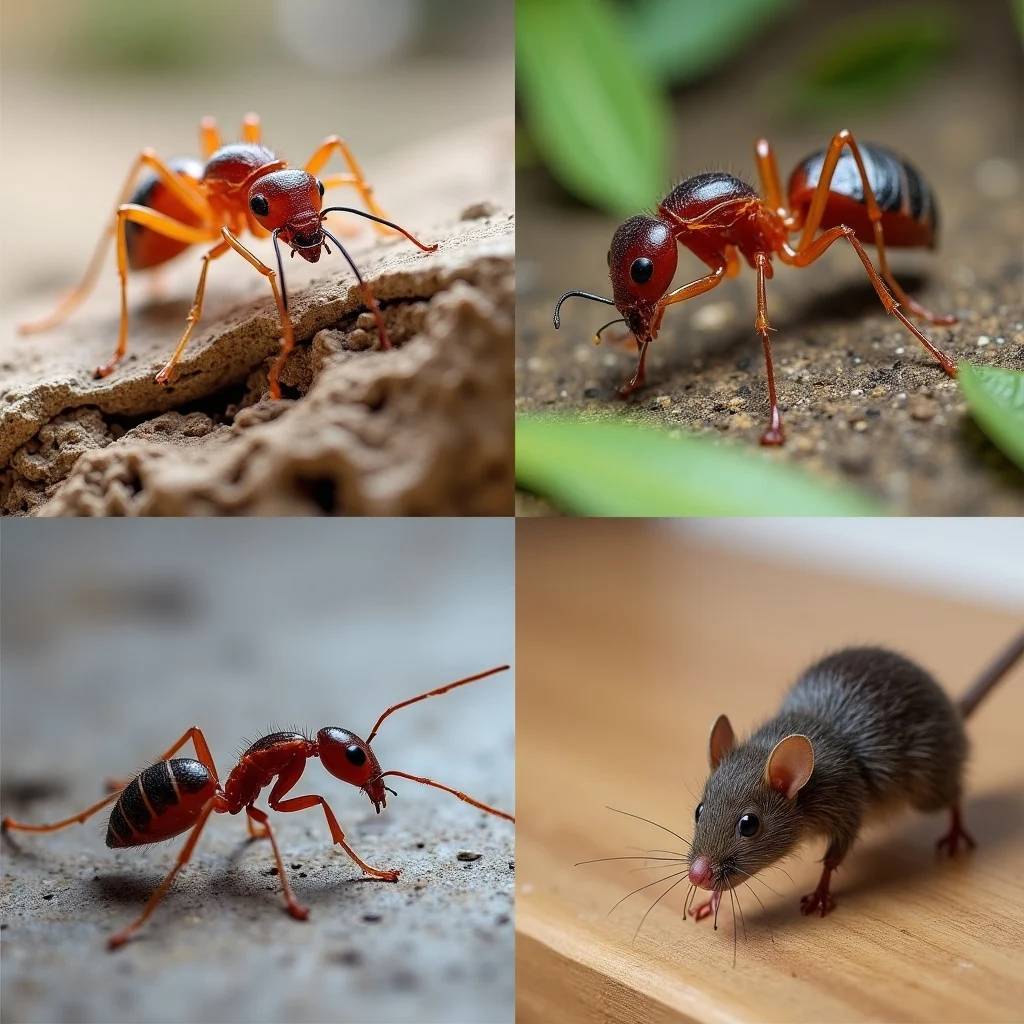
- Ants — ghost, carpenter and odorous house ants, each with a different nesting habit
- Termites and wood-boring insects — active in any timber that touches soil or a damp void
- Stored-product pests — carried in on materials and packaging rather than entering on their own
The pest control services we run across Klang Valley
Our pest control services cover the residential and commercial property types where repeat infestation actually happens. The service list is deliberately broad on pests and specific on method, because a warehouse full of stored cardboard needs a different programme from a three-bedroom terrace with a leaking outdoor tap. Coverage runs across Kuala Lumpur, Selangor and Putrajaya. Commercial work is structured so the written record supports your own audit and compliance files.
- General pest control for homes, covering kitchens, service yards and boundary areas
- Commercial pest control for restaurants, offices, retail units and warehousing
- Targeted programmes for cockroaches, ants, rodents, termites and flying insects
- Fogging and disinfection services where the site assessment supports them
- Recurring service contracts with written service reports and scheduled follow-up
Pest control Malaysia: how the local approach differs
Malaysian conditions set the terms. The heat and humidity of the Klang Valley keep insect activity high across the year rather than in a short season, and heavy rainfall drives rodents indoors and flushes ants out of external nests. Most buildings here also sit directly on soil, which is what makes termite pressure a routine consideration rather than an occasional one. The practical result is that a Malaysian pest control programme usually has to do two things at once: deal with the current infestation, and remove the moisture, food and access that put the property in range in the first place.
- Year-round insect activity means prevention matters as much as reaction
- Monsoon rainfall moves rodents into upper floors and floods external nesting routes
- Soil contact under the building is the standard route for termites in this climate
- Humidity and poor drainage produce exactly the conditions cockroach populations need
- Dense urban construction limits the natural buffer between neighbouring properties
Pest extermination and managed pest control are different jobs
Pest extermination is the removal of an established infestation. It is what you need when there is confirmed activity in the building and the goal is to end it. Managed pest control is the ongoing system that keeps the property from returning to that state, through scheduled visits, monitoring devices and recorded site conditions. They are not competing services, and one is not a substitute for the other. A property that has never had a serious infestation usually needs the second. A property with a confirmed, entrenched problem usually needs the first before the second becomes useful.
- Extermination suits confirmed, active infestations that need the population broken
- Management suits sites where the risk is continuous rather than a single event
- Most ongoing contracts begin with a treatment visit and then move into scheduled monitoring
- Where an infestation is severe, the first visit is scoped and priced on its own
- Ask what the visit schedule covers, not only how many visits it contains
How a pest control visit works
Every engagement follows the same sequence, and it starts before anything is sprayed. You describe the problem, an inspection establishes what is actually present and where, you receive a proposed treatment scope, and treatment begins from that scope rather than from a guess made over the phone. The scope is worth reading closely. It should state what will be treated, what is excluded, what you need to do before the visit, and when the follow-up falls.
- Share a description of the problem, including where activity has been seen and when
- Schedule an inspection so the pests and their signs can be located properly
- Receive a proposed treatment scope covering method, exclusions and follow-up
- Begin treatment and follow-up as scheduled, with re-entry guidance after each visit
What pest control costs and what moves the price
General pest treatment starts from RM 160 for selected residential properties. Beyond that starting figure the quote moves with a small number of things: which pest it is, how large the property is, how many separate areas are involved, how severe the infestation has become, and whether follow-up visits are included. The figure that surprises people is access. A two-bedroom terrace that is easy to reach costs less than a shoplot with three loading areas and a service yard, because the time on site is different.
- Starting prices apply to selected residential properties with a defined scope
- Pest type, infestation severity and property size set the base price
- Multiple areas, difficult access and multi-storey buildings add time on site
- Commercial and managed sites are quoted after inspection against a written service scope
- Recurring contracts price each visit below the equivalent one-off treatment
Preventing pests from coming back
Treatment is the part we do. Prevention is the part that decides whether it holds. Most repeat calls we attend began with a condition that was still in place: an unsealed bin, a pet bowl left out overnight, a gap under a door, a leak that never got fixed. The prevention work is not complicated and it is not expensive. It is a short list of site conditions that can be corrected, and correcting them is what turns a treated property into a controlled one.
- Store food and rubbish in sealed containers, and take bins out on schedule
- Keep pet food and water bowls down rather than out overnight
- Close gaps under doors, around pipe penetrations and along window frames
- Fix leaks and standing water, which is what drives cockroaches and mosquitoes
- Trim vegetation away from the walls so inspection routes stay clear
Choosing between a one-off service and a recurring plan
A one-off visit is the right call when the infestation is contained and the site conditions that caused it are already under control. A recurring plan is the right call when the pressure is continuous: a food business, a property with an open soil line, a shared building where a neighbour's activity keeps arriving, or any site where the previous treatment did not hold. The cheapest answer is rarely the lowest-priced single visit. It is the one that stops you paying for the same problem twice.
- One-off treatment suits a contained problem on a well-controlled site
- Recurring service suits food businesses, shared high-rise areas and soil-contact properties
- Quarterly service covers most active residential properties
- Monthly service suits high-risk commercial premises and managed buildings
- Confirm what each scheduled visit checks before committing to a contract length
Continue with the pest you are dealing with
Each pest behaves differently and responds to a different method. These are the service pages that go into the detail for the pests that come up most often.
Pricing Guide
General pest treatment starts from RM 160 for selected residential properties. Commercial and larger properties are quoted after inspection.
View full price guideExplore this cluster
- Cockroach Control
- Mosquito Control
- Commercial Pest Control
- Residential Pest Control
- Ant Control
- Fly Control
- Lizard Control
- Disinfection Services
- Fogging Services Malaysia
- Disinfection for Construction Sites
- Wildlife & Wasp Removal
- Restaurant Pest Control Guide
- General Pest Package Guide
- Pest Control Cost Guide
- Hourly vs Fixed Pricing
- Smart vs Basic Plans
- IPM Explained
Author: Uni Smart Pest Control Sdn. Bhd. · Technical reviewer: Uni Smart Pest Control Sdn. Bhd. · Credentials: PAL Licensed Applicator · APAL Certified Technicians · PCAM Member · SSM registration 202001020657 (1376977-D) · Updated: October 2026
What our general pest control visits cover in Klang Valley
Ants, cockroaches, lizards and mosquitoes each need a different response. Our service visits are structured to find the source, not just treat the symptoms.
-
Moisture and food-source audit
We start by checking leaks, pet food stations, rubbish chutes, pantry storage and grease traps. Removing the source is what makes treatment last.
-
Crack and crevice treatment
Kitchens, bathrooms and service yards receive targeted gel and spot treatments where pests actually hide, rather than broad spraying across clean surfaces.
-
Perimeter barrier
External spraying and ant-trail disruption are applied around the property line to reduce new pests crossing in from neighbouring land.
-
Mosquito breeding checks
Flower pots, drains, gutters and water features are inspected and treated where suitable, with advice on removing standing water.
Illustrative example
Illustrative example: ant and cockroach control in Shah Alam
- Property
- Single-storey terrace house, Shah Alam
- Area
- Shah Alam, Selangor
- Found
- Recurring ant trails in the kitchen and cockroaches in the yard; gaps under the back door and a leaking outdoor tap
- Treatment
- Sealed entry gaps, applied gel baits to ant trails and treated the perimeter and yard harbourages
- Typical outcome
- Typical result: ant activity stops within days, and cockroach activity reduces after the first follow-up visit.
- Example prepared
- November 2026
This is an illustrative example, not a record of a specific client job. The steps and the typical result shown are representative of the treatment described; actual outcomes vary with property type, pest pressure, and how well the site is prepared.
Frequently asked questions
How much does pest control cost in Malaysia?
General pest treatment starts from RM 160 for selected residential properties. The final quote depends on pest type, property size, infestation severity and whether follow-up visits are included.
Is treatment safe for children and pets?
Uni Smart Pest Control uses treatment plans selected for site conditions, with application guidance and re-entry advice provided after service.
How often should I schedule pest control?
Most active properties benefit from quarterly service, while high-risk or commercial premises may need monthly plans.
What is the difference between pest control and pest extermination?
Extermination removes an established infestation that has already been confirmed. Pest control is the wider management system, covering identification, treatment, source removal and scheduled follow-up. A property with active, confirmed activity usually needs extermination first, and management to keep it from returning.
How quickly does pest control work?
Visible activity often reduces within days of the first visit, because the harbourage and the foraging routes are treated at the same time. Complete clearance depends on the pest, the life stage present and how well the site was prepared, which is why follow-up is scheduled rather than assumed.
What should I do before the technician arrives?
Move or cover anything stored in the affected area, take pet bowls and children's food out, and keep the space accessible so the inspection can reach the harbourage zones properly. The exact preparation is confirmed on the treatment scope before the visit.
Can pest control be carried out while my business is open?
Yes. Commercial sites are treated around operating hours where the work allows it, with the scope agreed in advance so staff know which areas are being worked on and when they can be used again.
What does a pest control service report include?
The written record covers the areas inspected, the pests identified, the treatment applied, the re-entry guidance given and the follow-up scheduled. That record is what supports your own compliance and audit files.