What we handle
Treat the infestation cycle, not only visible bites
Bed bug cases need complete cycle control across eggs, nymphs, and adults. We design every treatment around the full life cycle, not just the visible bites, because treating only the adults leaves the next generation to re-emerge 2 to 3 weeks later. Uni Smart Pest Control's bed bug program covers the inspection, the treatment application, the preparation guidance, and the follow-up visits needed to confirm the infestation is broken. We work with homeowners, tenants, landlords, and short-stay operators across Kuala Lumpur, Selangor, and Putrajaya. Whether the issue is one confirmed bug, a recurring problem in a rental unit, or an outbreak in a hotel or service apartment, the treatment framework is the same: identify the scope, contain the spread, treat all life stages, and verify clearance through follow-up.
Detailed inspection
Mattress seams, bed frames, sockets, skirting, and soft furnishings are assessed in sequence.
Targeted application
Treatment focuses on active harbourage zones to reduce spread and repeat activity.
Follow-up scheduling
Second-pass review confirms control and catches late-stage emergence.
Occupant guidance
Clear prep and post-treatment instructions help preserve treatment effectiveness.
Pricing Guide
Bed bug treatment starts from RM 550 for selected apartment and condo units. Site condition and treatment scope determine final quote.
View full price guideExplore this cluster
Author: Uni Smart Pest Control Sdn. Bhd. · Credentials: PAL Licensed Applicator · APAL Certified Technicians · PCAM Member · Updated: October 2026
How we handle bed bug cases in Malaysian apartments and hostels
Bed bugs spread through luggage, second-hand furniture and shared walls. Our response differs between high-rise apartments in Kuala Lumpur and landed homes in Selangor.
-
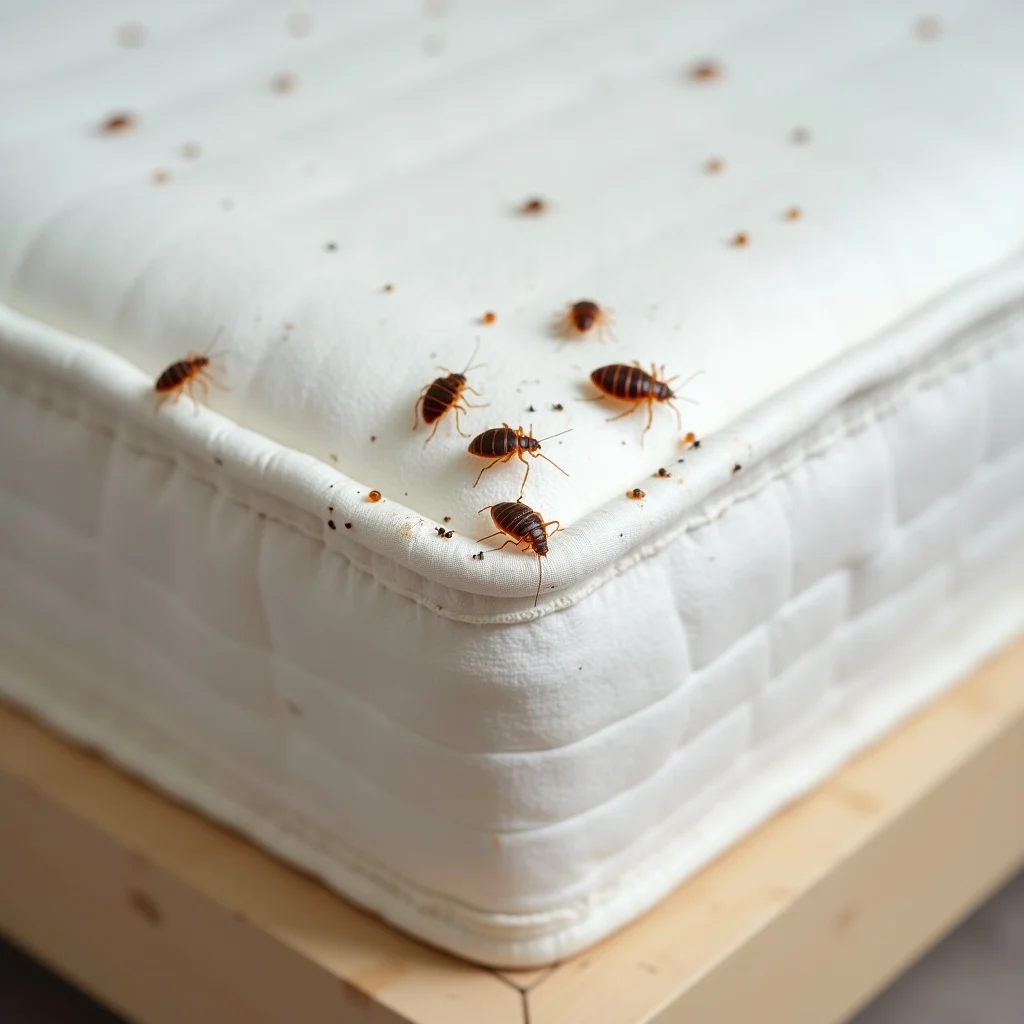
Mattress seams, bed frames and headboard tags
These are the first inspection targets. We use a flashlight and magnifier to spot live bugs, eggs and shed skins before deciding on treatment scope.
-
Electrical outlets and skirting gaps
In apartments, bed bugs frequently travel through wall voids. We inspect behind switch plates and along carpet or laminate edges where they hide during the day.
-
Luggage and storage areas
Hostels, short-term rentals and travel-return cases are common sources. We advise on isolation protocols to stop the infestation from spreading room to room.
-
Follow-up inspections
We schedule follow-up checks 7 to 14 days after treatment to confirm elimination, because bed bug eggs can hatch after the initial visit.
Case snapshot: Bed bug treatment in a KL high-rise apartment
- Property
- Condominium unit, Kuala Lumpur
- Found
- Bites appeared after the tenant returned from travel; live activity in the master bedroom and adjacent wardrobe
- Treatment
- Targeted chemical treatment to mattress seams, bed frame, wardrobe and wall voids
- Outcome
- No further activity after two follow-up inspections; tenant given luggage-check protocol
Frequently asked questions
How do I know if I have bed bugs?
Common signs include small reddish bites in clusters or lines on exposed skin (arms, neck, shoulders), tiny blood spots on sheets, dark fecal spots on mattress seams, a sweet musty odour in heavy infestations, and visible bugs or shed skins in mattress folds, bed frame joints, or behind headboards. If you see any of these signs, request an inspection rather than waiting to confirm.
How do bed bugs get into Malaysian homes?
Bed bugs travel on luggage, soft furnishings, second-hand clothing, and second-hand furniture. Common entry paths include returning from hotels, hostels, or Airbnbs; receiving used furniture or mattresses; and visitor movement between units in high-rise apartments. They do not fly and they do not jump, but they crawl quickly and hide in small crevices.
How long does bed bug treatment take to work?
Professional bed bug treatment typically takes 2 to 4 weeks to fully eliminate an infestation. The initial treatment kills exposed adults and nymphs. Follow-up visits at 1 to 2 weeks and again at 3 to 4 weeks target newly hatched nymphs from eggs that survived the first round. Complete clearance depends on infestation severity, room count, and treatment method.
Do I need to throw away my mattress?
Usually no. Professional treatment can reach the mattress through targeted application and encasements. A mattress encasement rated for bed bugs, kept on for at least 12 to 18 months, traps any bugs inside and stops them from feeding. We will recommend encasement as part of the treatment plan. Mattress replacement is only needed in cases of severe structural damage or if the infestation has been left untreated for many months.
Can I treat bed bugs myself?
DIY methods (bug bombs, alcohol sprays, vacuuming alone) are not effective against established infestations because they do not reach the harbourage zones and they do not kill eggs. Surface treatments can reduce visible activity briefly, but the bugs return from untreated hiding places. Professional treatment is the only reliable way to break the cycle, and the cost of professional treatment is usually less than the cost of replacing infested furniture after failed DIY attempts.
Is bed bug treatment safe for children and pets?
Yes. We use approved products applied with targeted methods. Most treatments are non-toxic once dry, and re-entry guidance is provided after each visit. For households with very young children, pets with respiratory issues, or pregnant occupants, we will adjust the product selection and timing to suit.
How much does bed bug treatment cost in Malaysia?
Bed bug treatment starts from RM 550 for selected apartment and condo units (1 to 2 rooms). Pricing scales with room count, infestation severity, and treatment method. Multi-room infestations in terrace or bungalow properties typically run from RM 850 to RM 1,500+. See the price guide for current rates and a request a free site visit for an exact quote.
Do you offer bed bug treatment for hotels and short-stay operators?
Yes. We work with hotels, serviced apartments, and short-stay operators on both one-off treatment and ongoing monitoring. Commercial scopes include unit turnover checks, treatment between guest stays, and documentation for health and safety records.