
What to know
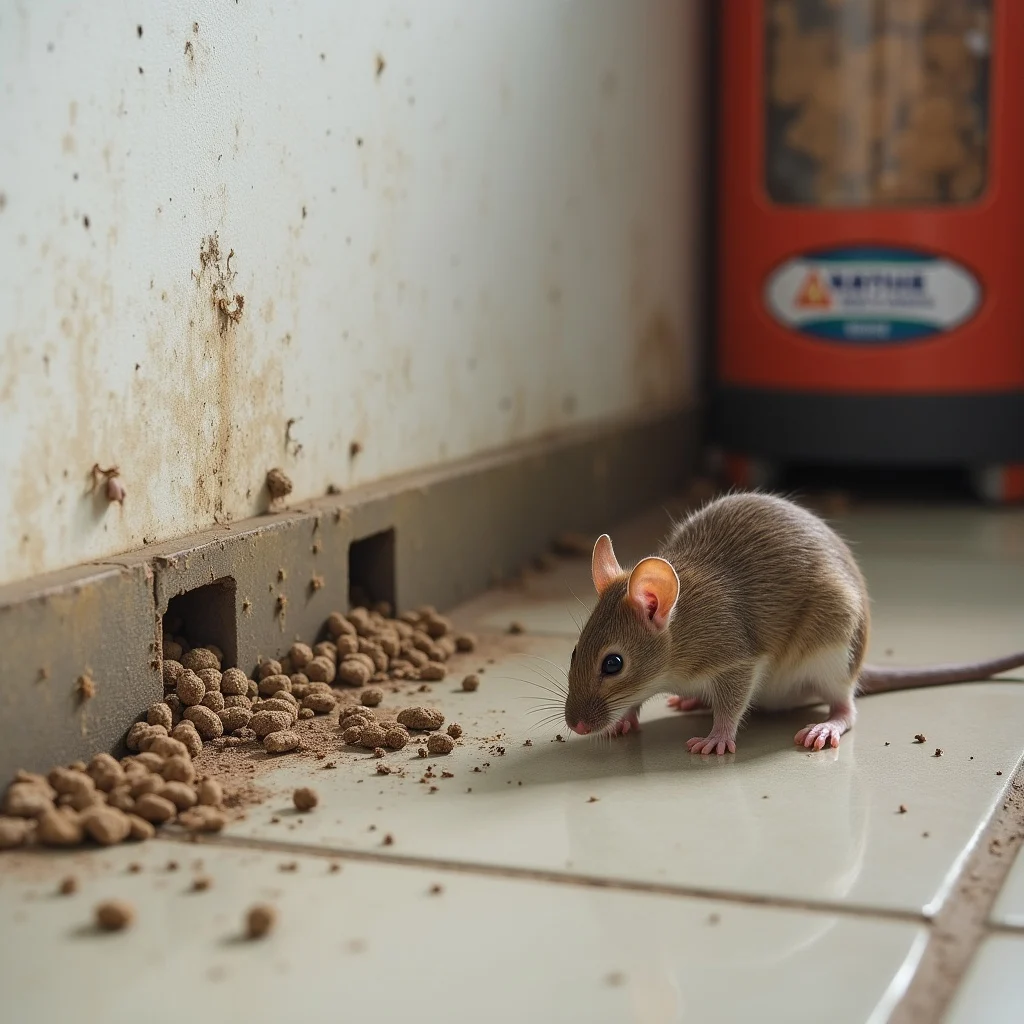
Rat and mouse prevention is built on four pillars: sealing entry points, removing food sources, clearing harbourage zones, and ongoing monitoring. Each pillar addresses a different way rodents establish in a property. Skipping any one of them creates a vulnerability that will eventually lead to recurrence, even after successful treatment. The most common prevention failure we see in Malaysian homes and businesses is the assumption that treatment alone is enough. Treatment reduces or eliminates the current population, but new rodents will move in from neighbouring properties within weeks if the entry points are still open and the food source is still available. Prevention is not a one-time activity. It is a routine that becomes part of how the property is managed. This guide covers what property owners can do themselves and what we do as part of our recurring service contracts. Most of the measures are low cost and low effort, but they only work when applied consistently.
If you have had a recent rodent treatment, this guide tells you how to keep them out for good. If you have not had an issue yet, this is what to do now to reduce the chance of one.
Seal entry points
Mice fit through a 6mm gap, rats through 12mm. Seal gaps under doors, around pipes, drain openings, and roof access points with appropriate materials.
Remove food sources
Store dry goods in sealed containers. Clear fallen fruit from gardens. Manage waste in sealed bins. Fix dripping taps and standing water.
Clear harbourage
Declutter storage areas, ceiling voids, and outdoor zones. Move firewood, compost, and building materials away from the building exterior.
Ongoing monitoring
Bait stations on a quarterly or bi-annual service schedule catch new activity early, before an infestation establishes.
Practical action plan
- Inspect the building envelope for gaps, holes, and damaged seals. Mark every entry point you find, even small ones, because rodents only need small openings.
- Seal gaps under doors with weatherstripping. Install door sweeps on exterior doors that have a gap to the floor.
- Cover drain openings with stainless steel mesh grates sized to keep rodents out while allowing water flow.
- Seal gaps around pipe penetrations with expanding foam or steel wool mixed with caulk. Rats can chew through foam alone.
- Repair damaged roof tiles, soffits, and ventilation covers. Roof rats are excellent climbers and will use any opening above ground level.
- Store dry goods (rice, flour, pet food) in sealed plastic or metal containers, not in cardboard or thin plastic bags.
- Manage waste in sealed bins with tight-fitting lids. Empty bins regularly and keep the bin area clean.
- Clear vegetation away from the building exterior by at least 30 centimetres. Trim overhanging branches that touch the roof.
- Schedule recurring bait station service every 3 to 6 months. The cost is low and the early detection value is high.
Related pages
Use these links to move from answers to service options, local coverage, and pricing details.
Related articles
Frequently asked questions
How do I know if I have sealed all the entry points?
A full inspection by our team can identify the active entry points and confirm whether sealing is complete. We use a combination of visual inspection and bait station monitoring to find entry points that are not visible from the exterior. Most properties have 2 to 4 active entry points that need attention.
Can I seal entry points myself?
Small gaps under doors, around pipes, and in walls can be sealed with off-the-shelf materials. Larger gaps, roof-level access, and structural issues are best handled by a contractor or as part of our exclusion service. The key is using the right material for the gap: steel wool mixed with caulk resists gnawing, foam alone does not.
How often should I check for new entry points?
Walk-around inspections every 3 to 6 months catch new gaps from building settlement, weather damage, or renovation work. Our recurring service includes this check as part of each visit. Properties near construction sites or undergoing renovation need more frequent checks.
Do bait stations prevent rodents on their own?
Bait stations control the current population and provide early warning of new activity, but they do not stop new rodents from entering. Prevention requires the four pillars together: sealing, food management, harbourage clearance, and monitoring. Bait stations without the other three will need to control a constant stream of new rodents and will eventually fail.
What is the most common prevention failure in Malaysian homes?
The most common is gaps under the service yard door and unprotected drain openings. Roof rats in particular enter through drain openings and gaps between the wall and the service yard door. Sealing these two areas alone often reduces activity by 50 percent or more.
Need a site-specific answer?
The right solution depends on your property type, infestation pattern, and location. Uni Smart Pest Control can recommend a practical treatment route.